
Shalya Tantra: The Art and Science of Ayurvedic Surgery
Shalya Tantra: The Art and Science of Ayurvedic Surgery
Where Ancient Precision Meets Modern Healing
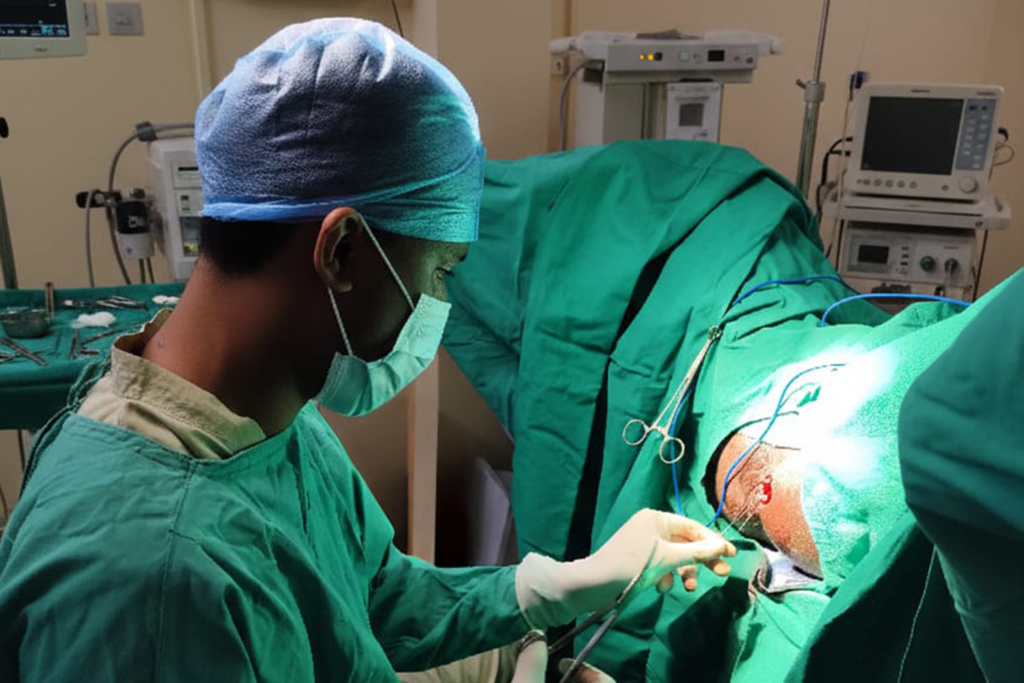
Surgery is often viewed as a product of the modern West, but its roots are deeply embedded in Indian soil. Shalya Tantra, the surgical branch of Ayurveda, is a sophisticated system that has evolved over 2,500 years. Today, it stands as a scientifically validated, legally recognized, and insurance-covered medical specialty that offers unparalleled success in treating many surgical conditions including benign anorectal diseases.
The Legend: History of Ayurvedic Surgery
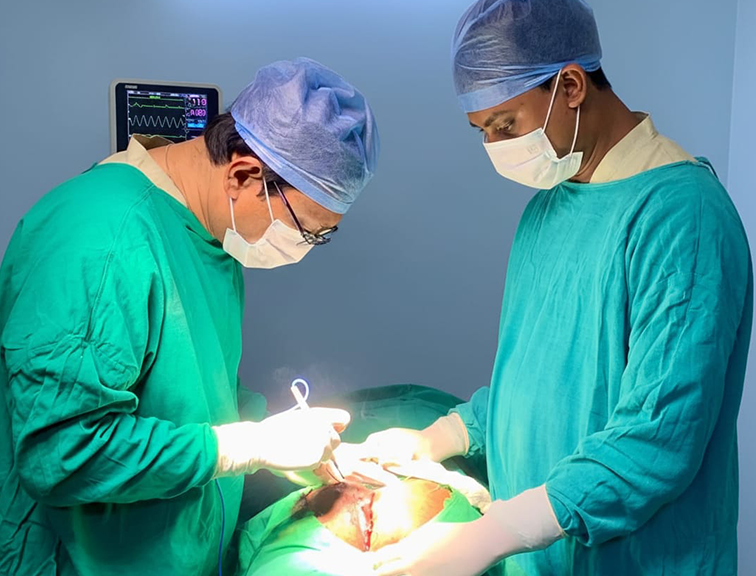
Long before the advent of modern anesthesia or stainless steel, Acharya Sushruta (circa 600 BCE), known globally as the “Father of Surgery,” was performing complex procedures in the ancient city of Kashi.
- Sushruta Samhita: His seminal text describes over 300 surgical procedures and 120 surgical instruments.
- Pioneer of Plastic Surgery: Sushruta’s techniques for Nasa Sandhana (Rhinoplasty) are still cited as the foundational principles of modern reconstructive nose surgery.
- The Eight Acts: Ancient surgeons were trained in eight specific surgical skills (Ashta Vidha Shastra Karma), including excision, incision, scrapping, puncturing, probing, extraction, drainage and suturing.
Excellence in Anorectal Care: The "Kshara Sutra" Revolution
While Shalya Tantra covers a vast range of conditions, it is world-renowned for its success in Benign Anorectal Diseases. If you are dealing with Piles, Anal Fistula, Pilonidal Sinus or Anal Fissures, Ayurveda offers a “Gold Standard” treatment that modern surgery often struggles to match.
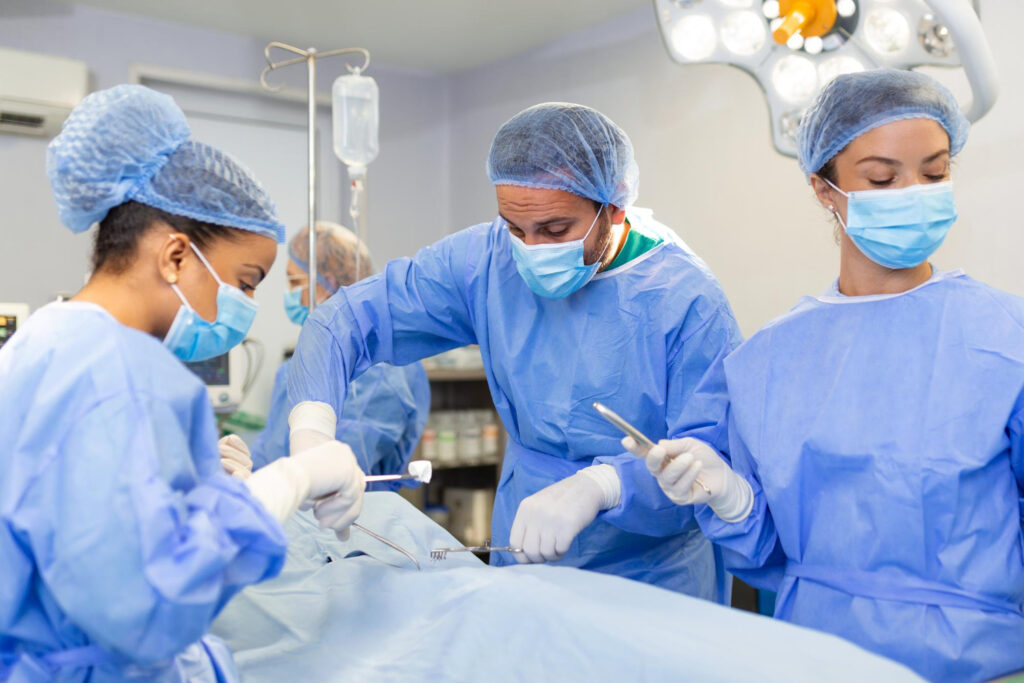
The Power of Kshara Sutra
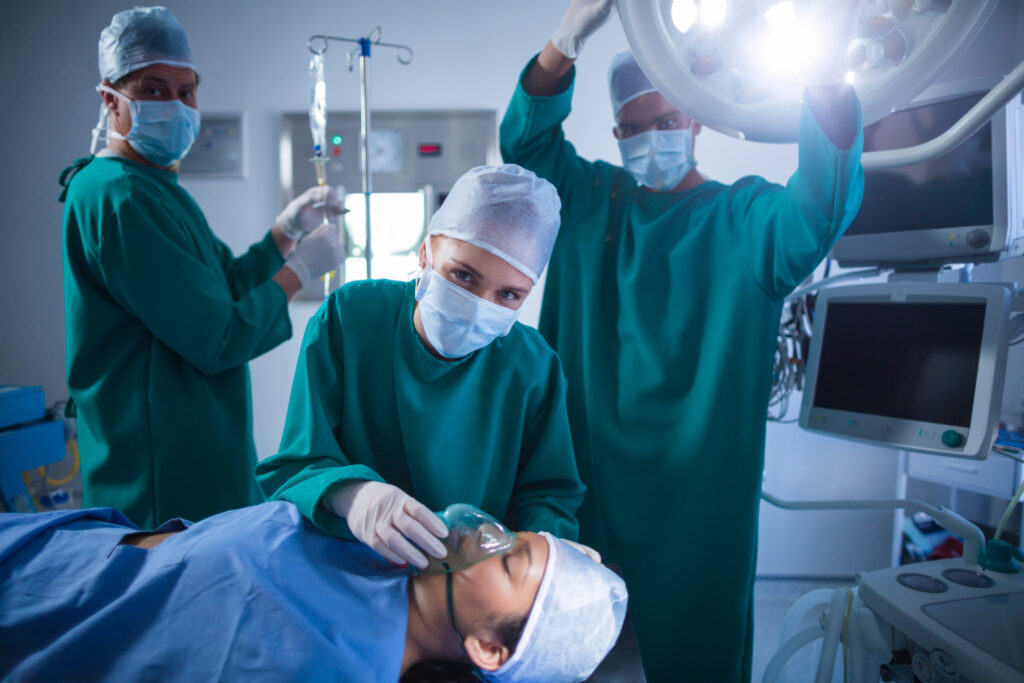
Kshara Sutra is a minimally invasive, medicated thread therapy. Unlike conventional surgery, which may require large incisions and carry a risk of recurrence, Kshara Sutra:
- Chemically Debrides: The alkaline medication on the thread slowly cuts and heals the tract simultaneously.
- Zero Sphincter Damage: It preserves anal continence and muscle integrity.
- Minimal Recurrence: Research shows the recurrence rate for Fistula-in-ano treated with Kshara Sutra is significantly lower than standard fistulectomy.
- Walk-in, Walk-out: Most procedures are performed on a day-care basis, allowing patients to return home on the same day.
Education, Training, and Modern Development
Ayurvedic surgeons aren’t just scholars of ancient texts; they are highly trained clinical experts having in-depth knowledge of modern medical science. The Institutionally educated ayurvedic surgeons are competent enough and legally permitted to conduct surgery independently.
- Academic Rigor: A surgeon undergoes a 5.5-year BAMS (Bachelor of Ayurvedic Medicine and Surgery) degree followed by a 3-year MS (Shalya Tantra) postgraduate residency.
- The Curriculum: Training includes cadaveric dissection, modern anatomy, physiology, pathology, and intensive hands-on training in Major and Minor Operating Theatres. Use of latest diagnostic tools and handling of modern surgical instruments are a part of post-graduate course-curriculum of an Ayurvedic surgeon.
- Integration: Modern Ayurvedic surgery utilizes state-of-the-art diagnostics, including MRI, Colonoscopy, Skiagraphy, Endo-anal Ultrasound, and modern OT protocols, ensuring the highest safety standards.
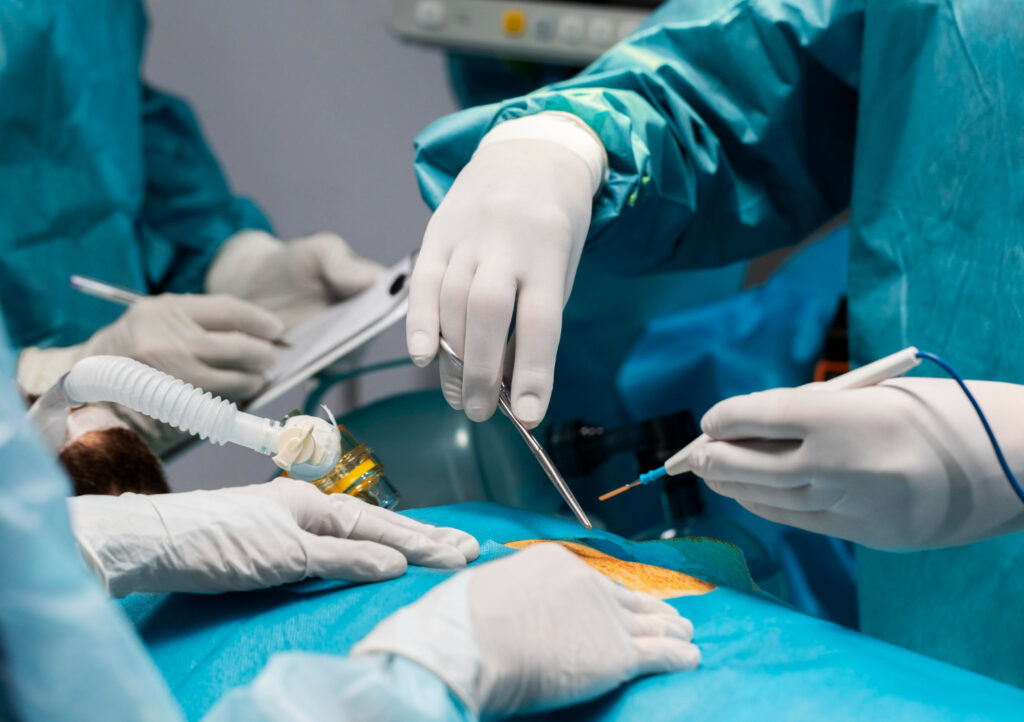
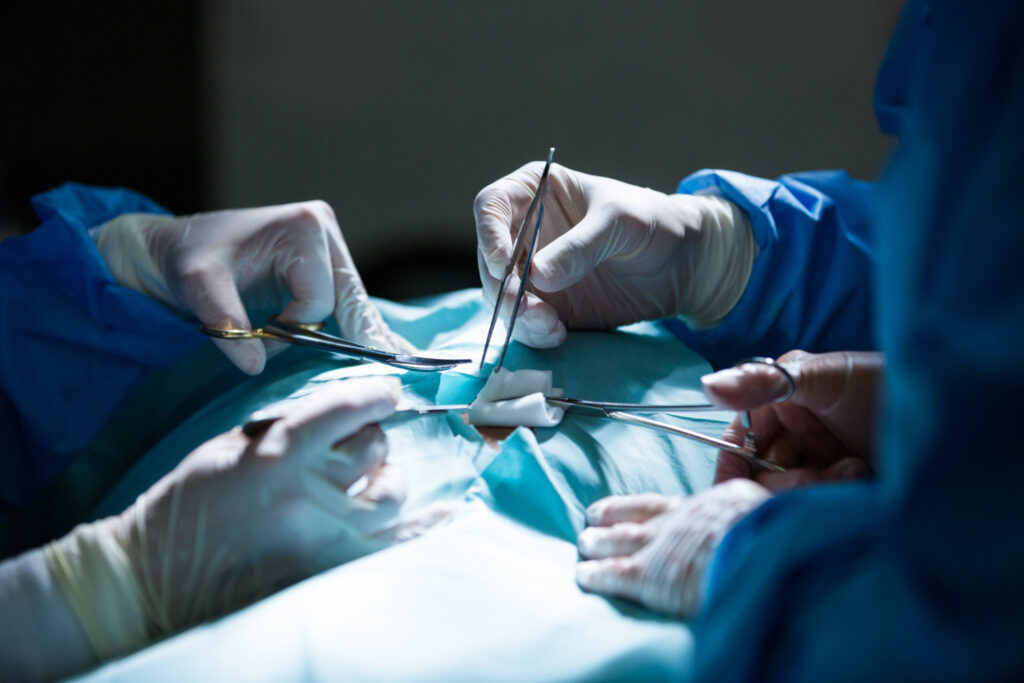
Legal Status & Government Recognition
Ayurvedic surgery is a legally protected and government-sanctioned practice in India.
The Gazette Notification (November 20, 2020)
The Central Council of Indian Medicine (CCIM), with the approval of the Government of India, issued a historic Gazette Notification (No. 4-90/2021-P.G. Regulation) clarifying the surgical scope of Ayurveda.
- Authorized Procedures: The notification explicitly lists 58 surgical procedures that MS (Shalya) and MS (Shalakya) doctors are trained and permitted to perform independently.
- Scope: This includes general surgery, ENT, Ophthalmology, and comprehensive Anorectal surgeries.
Medical Insurance: Your Right to Choose
Financial barriers are no longer an excuse to miss out on Ayurvedic excellence. As per the Insurance Regulatory and Development Authority of India (IRDAI) guidelines Ayurvedic surgical procedures are now under medical insurance coverage:
- Mandatory Coverage: IRDAI (Health Insurance) Regulations mandate that all insurance companies must provide coverage for AYUSH treatments (Ayurveda, Yoga, Unani, Siddha, and Homeopathy).
- Parity with Allopathy: Recent 2024 IRDAI circulars emphasize that AYUSH treatments should be treated at par with conventional treatments regarding claim settlement and cashless facilities.
- Cashless Facility: Many leading Ayurvedic hospitals are now empanelled with major TPAs and insurance providers, offering seamless cashless surgical care.

Ready to experience a permanent cure?
Ayurvedic surgery offers a path to healing that respects your body’s natural integrity while utilizing the wisdom of the ages.