
One of the most common questions patients ask when considering Ayurvedic surgery for anorectal conditions is: “Is Ksharsutra a painful process?” There is a widespread misconception that because Ksharsutra is an ancient Ayurvedic technique, it is simply a “medicinal” application that can be done in a routine OPD setting without much fuss. In reality, Ksharsutra is a minimally invasive surgical intervention. It is the gold standard for treating complex conditions like anal fistula, piles (hemorrhoids), and pilonidal sinus.
To understand the comfort level of the procedure, we must first look at the complexity of the relevant structures.
The Anatomy and Physiology of the Anal Region
The anal canal is one of the most sensitive areas of the human body. Its function and safety are governed by a complex network:
- Muscular Structure: The region is controlled by the internal and external anal sphincters. These muscles are under constant tension to maintain continence. Any surgical manipulation triggers a natural “spasm” response.
- Vascular Supply: It is highly vascularized, supplied by the superior, middle, and inferior rectal arteries. Haemorrhoidal plexuses present in this region bleeds freely if injured.
- Nerve Circulation: The anal canal is densely packed with somatic sensory nerves, primarily via the pudendal nerve. Below the dentate line, the area is as sensitive as the fingertips or the lips.
Because of this intense nerve density, the question—is ksharsutra a painful process?—depends entirely on the surgical protocol followed.
The Recto-Cardiac Reflex: A Critical Warning
The primary reason why “office-based” or “no-anesthesia” Ksharsutra procedure is dangerous is a physiological phenomenon known as the recto-cardiac reflex.
The anus and the heart are linked through the autonomic nervous system. If sudden, sharp pain is elicited in the anal region (as would happen if a surgical thread is manipulated without numbing), it can trigger a massive vagal response. This leads to:
- Sudden Bradycardia: A dangerous slowing of the heart rate.
- Cardiac Arrest: In extreme cases, the reflex can cause the heart to stop entirely.
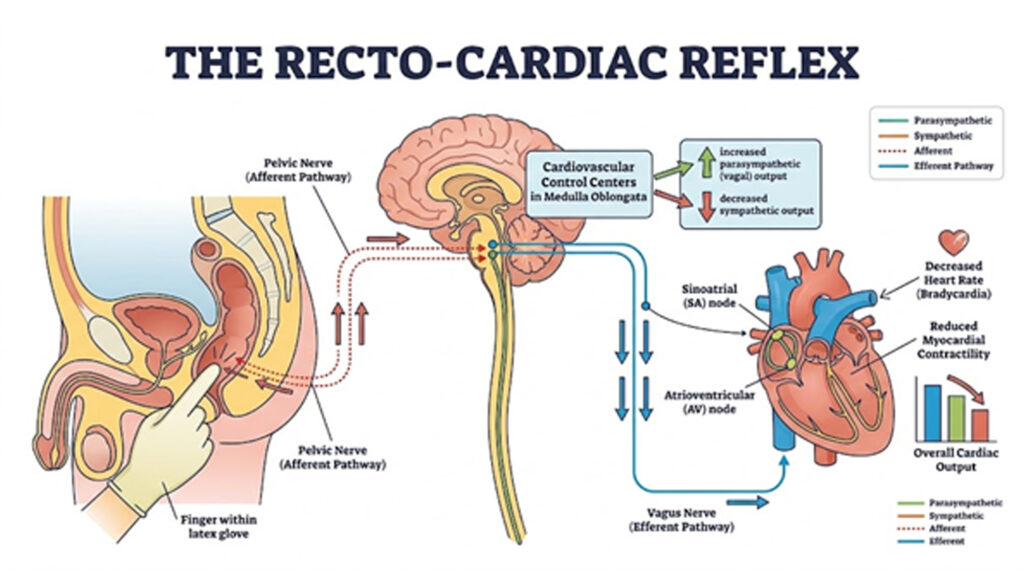
This is why we emphasize that anal surgery should never be performed without adequate anesthesia. Performing surgical procedures without proper pain management is not just “uncomfortable”—it is a potential life threat on the operating table.
The Reality: Is Ksharsutra a Painful Process?
To answer clearly: Is ksharsutra a painful process?
- Without Anesthesia: Yes, it is excruciating and medically ill-advised.
- With Modern Anesthesia: No. It is a smooth, minimally invasive experience.
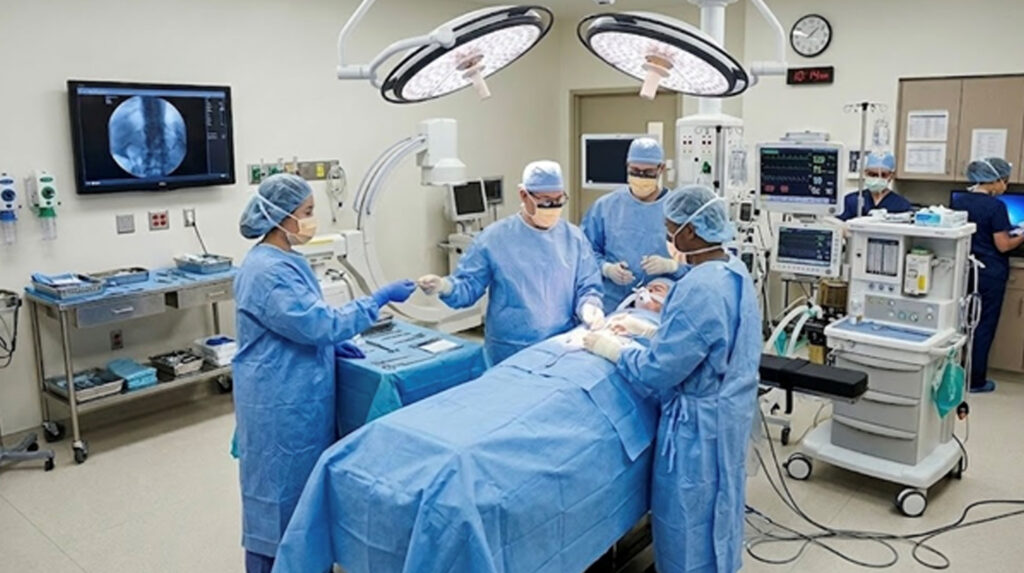
Any surgical procedure, including Ksharsutra, requires a controlled environment. At Proctosafe Clinic, we prioritize patient safety above all else. We perform Ksharsutra procedures in well-equipped operation theatre with all possible life-supports and under adequate anesthesia, such as:
- Regional Blocks: To completely numb the lower half of the body.
- TIVA (Total Intravenous Anesthesia): To ensure the patient is in a light, pain-free sleep throughout the intervention.
The Standard of Treatment at Proctosafe Clinic
At Proctosafe Clinic, our surgeons are highly trained in the precise application of Ksharsutra. We believe that “Ayurvedic” does not mean “non-surgical.”
We never perform these procedures without a trained anesthetist as part of our core team. This ensures that the patient’s vitals are monitored and that the recto-cardiac reflex is never triggered. By using these modern standards, we ensure that the answer to “is ksharsutra a painful process?” is a resounding “No” for every patient who walks through our doors.
Conclusion
Any suggestion to perform a Ksharsutra procedure in a routine OPD setting without anesthesia is a major clinical red flag. While the technique is minimally invasive and highly effective for piles and fistulas, this is a surgical procedure and not a simple medicinal management, it strictly requires the sterile and controlled environment of an operation theatre and professional anesthetic care to ensure patient safety and prevent life-threatening reflexes. When performed under the care of a professional team with the right anesthetic support, Ksharsutra is a safe, effective, and painless path to recovery.